“We hear every conversation.”
Different activities overlap.
Look at the plan, everyday movement and where conversations take place.
A thoughtful acoustic approach starts with how a room is used. We bring the conversation back to people, space and the things worth hearing.
Explore the approach Prepare a project brief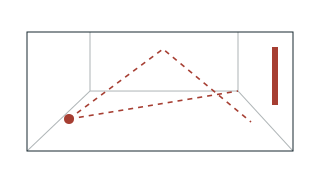 CONCEPT ONLY / NO MEASURED RESULT
Start with its purpose.
Then look at its possibilities.
Open desks, shared tables and private conversations ask different things of a room. Start with the activities that need to sit alongside one another.
Good questions come before
design decisions.
Different activities overlap.
Look at the plan, everyday movement and where conversations take place.
Surfaces shape the experience.
Review the relationship between room geometry, finishes and furnishing.
Listening needs context.
Map the tasks, adjacencies and expectations before discussing design options.
Fictional briefs.
Original design explorations.
How might a shared meeting room support different kinds of conversation?
How might a quieter place sit alongside a social space?
Space, material and activity belong in the same conversation. Explore three ways to look at a room.
Educational illustration only. Not a simulation, calculator, measurement or predicted acoustic result.
The paths illustrate an idea: sound can meet several surfaces. They do not show actual travel, strength, timing or a measured room response.
Tell us what happens in the room, what you notice and what a better everyday experience would mean.
Bring the plan, use and material context together. Agree what needs closer investigation before discussing options.
Set out the questions, design priorities and next steps for a project-specific assessment.
Early in a design conversation can be a useful time to describe activities and priorities. An existing space can also begin with a clear account of what people experience.
Describe the type of room, how people use it and what you notice. An approximate project stage is helpful but optional. This local demo does not accept attachments.
No. It is an educational illustration of design concepts. It does not simulate acoustics, measure a room, calculate an outcome or provide a technical specification.
No. This is a fictional consultancy demonstration. The brief stays in the current page and is cleared when you edit it or leave. Nothing is sent, booked or stored remotely.
What happens there?
What would you like to feel different?